
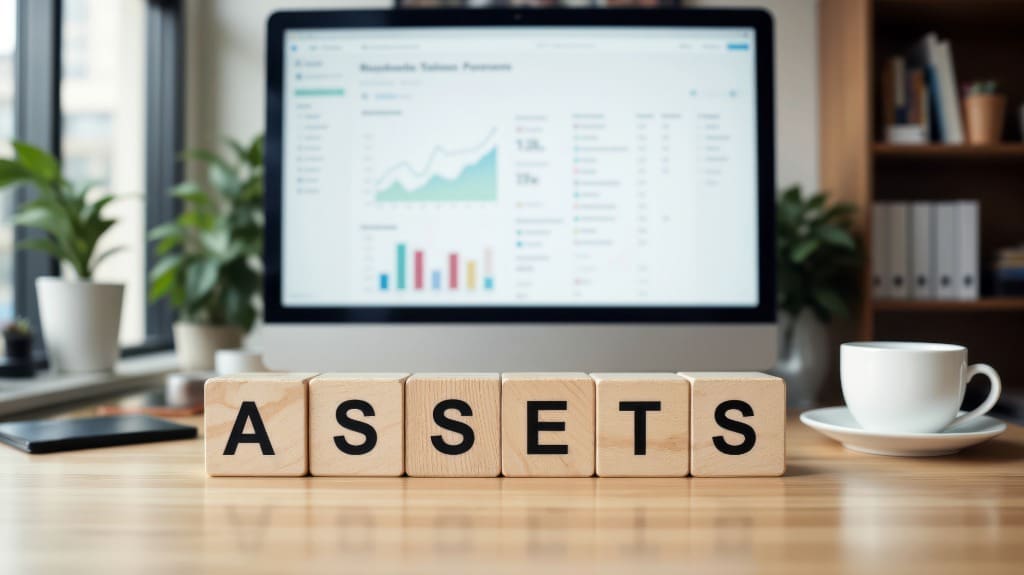
When small business owners hear the word assets, it can sound more complicated than it really is. In plain English, assets are the things your business owns or is owed that have value. They help your business operate, generate income, and build stability over time.
A simple way to think about it is this: if it adds value to your business today or is expected to help your business in the future, it may be an asset.
Meet Your Remote Bookkeepers

Penny

Steve


Some of the most relatable examples include:
🔹 Cash in your business checking or savings account
🔹 Equipment such as computers, tools, or machinery
🔹 Vehicles used for business operations
🔹 Accounts receivable, which is money customers owe you after you’ve sent an invoice
🔹 Inventory if you sell physical products
🔹 Furniture and office items used in your workspace
These items matter because they help tell the financial story of your business. Knowing what you own, what you are owed, and how those items support your operations gives you a clearer picture of your financial health.
For example, a business might feel tight on cash even while appearing profitable on paper. Why? One possible reason is that too much money is tied up in unpaid customer invoices. Those unpaid invoices are still assets, but they do not help with cash flow until they are collected. That is one reason accurate bookkeeping matters so much. It helps owners see not just profit, but also the timing and quality of their financial position.
Remote Bookkeeping for Small Business



We also provide Catch-Up Bookkeeping and Cleanup Bookkeeping (Historical Bookkeeping)
There are also different types of assets. Current assets are typically things you expect to use, sell, or turn into cash within a year, such as cash itself, inventory, or customer payments due soon. Long-term assets are things your business expects to use over a longer period, like vehicles, office equipment, or major tools.
Some owners focus mostly on income and expenses, which makes sense because those affect the bottom line. But assets deserve attention too. A business with solid assets may have more flexibility when planning growth, handling seasonal slowdowns, or making budgeting decisions. On the other hand, if assets are outdated, damaged, or not tracked well, decision-making can become harder.
A practical example: if you buy a delivery van for your company, that van is an asset because it supports your operations. If you purchase a laptop for managing estimates and invoices, that is also an asset. If you complete work for a customer and send them a bill, the unpaid amount becomes an asset until it is paid. These are everyday bookkeeping realities for many small businesses across the United States.
In recent years, many small businesses have become more focused on cash reserves, efficiency, and financial visibility. That has made asset tracking even more important. Owners want to know what resources they have available and whether those resources are helping move the business forward. Good bookkeeping brings that clarity.
That is where strong, simple bookkeeping can make a real difference. When your books are organized correctly, your asset accounts are easier to understand, your reports are more useful, and your path forward becomes clearer. Clean records can help reduce frustration, avoid common bookkeeping headaches, and support better budgeting and planning decisions.
At Path Ahead Bookkeeping, the focus is on helping small business owners gain that clarity so they can make confident decisions for their business and family. When your financial records are handled with care, trust, and integrity, it becomes much easier to understand what your business truly owns and how those assets support long-term success.
If you want clearer books and fewer bookkeeping headaches or if you have questions about how bookkeeping can help your small business thrive, be sure to reach out to our team.