Pennsylvania’s small business community is remarkably diverse. In one part of the state, you’ll find family-run shops that have served their neighborhoods for generations. In another, there are contractors, professional service firms, medical practices, trades, farms, makers, and newer businesses building momentum in growing suburban and regional markets. From Philadelphia and Pittsburgh to Lancaster, Erie, Harrisburg, Scranton, and the many smaller towns in between, small business owners across Pennsylvania often share the same challenge: they need clear, dependable bookkeeping to make confident financial decisions.
Meet Your Remote Bookkeepers

Penny

Steve







That’s where thoughtful bookkeeping can make a meaningful difference.
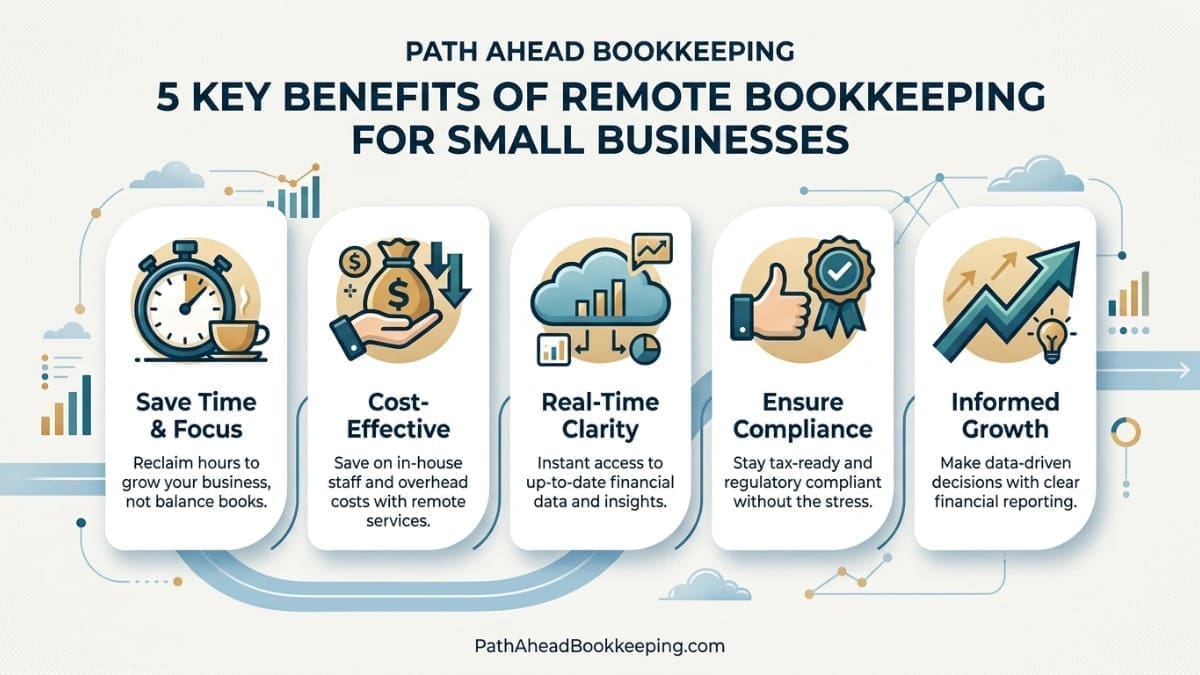
For many small business owners, bookkeeping is one of those responsibilities that seems simple at first, but quickly becomes frustrating when the months get busy. Transactions pile up, accounts become difficult to reconcile, reports no longer match expectations, and budgeting starts to feel more like guesswork than planning. When the books are unclear, it becomes harder to understand profitability, prepare for taxes, manage cash flow, or decide when it’s the right time to hire, invest, or pull back.
Good bookkeeping brings clarity to those decisions.
In a state like Pennsylvania, where local businesses often balance seasonal shifts, changing costs, and strong community expectations, staying organized financially matters. A construction company may need better visibility into project costs and margins. A retail shop may want a clearer understanding of inventory-related spending and monthly trends. A service-based business may simply want to know whether revenue is translating into real profit. Different businesses have different goals, but accurate books support all of them.
Remote Bookkeeping for Small Business



We also provide Catch-Up Bookkeeping and Cleanup Bookkeeping (Historical Bookkeeping)
Simple, consistent bookkeeping helps small business owners see where their money is going, how their business is performing, and what needs attention before small issues turn into larger problems. It can also reduce the stress that often comes from trying to manage everything alone. Many owners are deeply committed to their work, their customers, and their families. They want a business that supports their values, creates stability, and gives them confidence about the future. Clean financial records can help support that path.
Small Business Bookkeeping for Pennsylvania
A strong bookkeeping process can help with categorizing transactions properly, reconciling accounts, tracking income and expenses, organizing financial reports, and building a more useful monthly view of the business. That kind of structure is valuable whether a business is steady and established or still finding its footing. Some owners want detailed oversight and budgeting support. Others simply want the peace of mind that comes from knowing their financial records are accurate and up to date. Both perspectives are valid, and both benefit from reliable bookkeeping standards.
For Pennsylvania small businesses, trust and integrity matter. Business owners often build their reputation one relationship at a time, and they want financial support that reflects the same values. Bookkeeping should not add confusion. It should reduce headaches, improve visibility, and help owners make sound decisions with less stress and more confidence.
Pennsylvania Small Business Bookkeeping
When the numbers are organized and understandable, it becomes easier to chart the path ahead. Budgeting becomes more practical. Profit trends become easier to spot. Financial questions become easier to answer. And the business owner can spend less time worrying about the books and more time focusing on running the business.
If you own a small business in Pennsylvania and want clearer financial records, simpler bookkeeping, and better insight into your business finances, Path Ahead Bookkeeping may be a helpful resource. We primarily work with small businesses and focus on helping owners avoid bookkeeping frustrations while building the clarity they need to move forward. If you have questions about how bookkeeping can support your Pennsylvania business, we encourage you to reach out.